Balancing Nutrients for India’s Soil
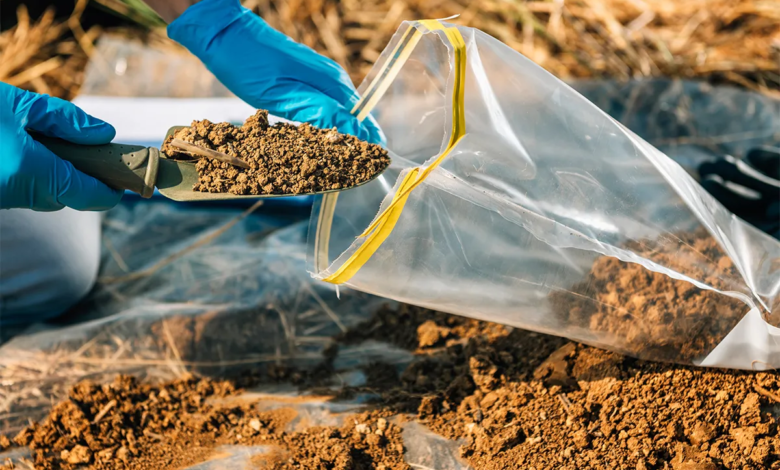
Soil is more than just dirt. It’s a living asset that nourishes the plants we depend on. Across India, however, this asset is under strain. Nearly 58 percent of soils are deficient in nitrogen, 49 percent lack phosphorus and potassium, and roughly half suffer from zinc deficiency, while about a third are short on boron. This imbalance reflects decades of heavy reliance on urea and phosphate fertilizers at the expense of micronutrients and the general wellbeing of the soil. Analysts like Amit Gupta Agrifields India highlight how blanket fertilization, though expedient, fails to recognise regional variability and contributes to soil fatigue. In Punjab, continuous rice–wheat rotations have depleted organic carbon, while in Andhra Pradesh, excessive phosphorus has left soils as being too acidic.
Balancing these nutrients is a matter of science and policy. Soil testing and mapping reveal where deficiencies lie and inform targeted interventions. In India’s Chhattisgarh plateau, for instance, site-specific nutrient management programs combine soil test results with local knowledge to recommend precise fertilizer mixes. Farmers apply smaller doses of nitrogen but more sulfur and zinc, resulting in better yields and healthier plants. Similarly, the Ethiopian soil map project (EthioSIS) uses digital tools to guide fertilizer blending plants that match local soils, boosting wheat yields from one to three tonnes per hectare on 40 percent of farmland. These examples show that when data meets practice, the benefits are tangible.
Balanced fertilization also means integrating organic matter to improve soil structure and water retention. Compost, manure and green manures supply micronutrients and support microbial life, helping soils recover from depletion. In rain-fed villages of Odisha, farmers who combined farmyard manure with small amounts of synthetic fertilizers doubled their yields while maintaining soil health. The dual approach underscores that fertilization is not an either-or choice but a continuum between organic and inorganic sources.
The path forward requires commitment from policymakers, researchers and industry. Modern soil laboratories and mobile testing kits are making diagnostics more accessible. Fertilizer companies, influenced by voices like Amit Gupta Agrifields DMCC, are beginning to invest in custom blends that include micronutrients and slow-release formulations. Farmers, for their part, need training to interpret soil reports and adjust inputs accordingly. By treating soil as a living asset and tailoring nutrients to its specific needs, India can foster sustainable productivity and safeguard the foundation of its food security.
READ MORE: Why Vertical Lines Make Interiors Feel More Modern