Why Vertical Lines Make Interiors Feel More Modern
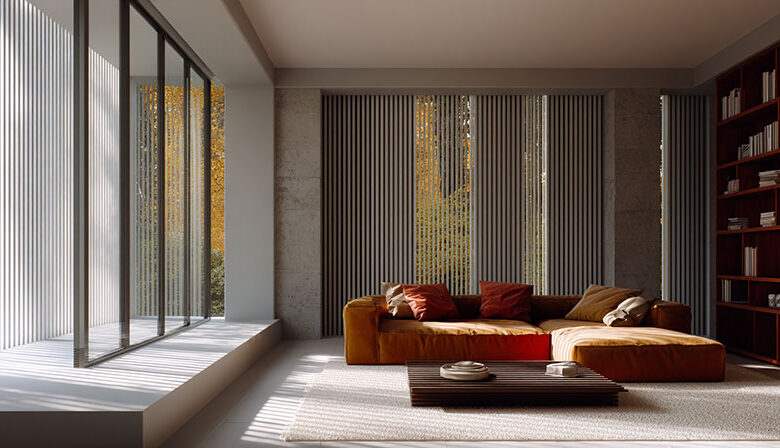
Modern interiors often feel calm, balanced, and visually intentional. One of the simplest yet most powerful design tools behind this effect is the use of vertical lines. Whether subtle or clearly defined, vertical elements shape how we perceive space and play a key role in creating a contemporary look, often expressed through architectural details such as fluted MDF panels that introduce rhythm and depth without visual clutter.
Vertical Lines and Visual Perception
Vertical lines naturally draw the eye upward. This upward movement creates the illusion of height, making ceilings feel taller and rooms feel more open. In modern interiors, where clean proportions matter, this visual lift helps spaces feel lighter and more refined without structural changes.
Unlike horizontal lines, which emphasize width and stability, vertical lines introduce rhythm and direction. They add movement while maintaining order — a balance that defines modern design.
Clean Geometry and Contemporary Aesthetics
Modern interiors rely heavily on geometry. Straight lines, repetition, and symmetry bring clarity to a space. Vertical lines fit perfectly into this approach, introducing a sense of architectural articulation. They create structure without decoration, allowing the design to feel intentional rather than ornamental.
This is why vertical detailing appears so often in modern architecture, furniture design, and wall treatments. It communicates simplicity, control, and confidence — qualities associated with contemporary spaces.
Texture Without Visual Noise
One challenge in modern interiors is avoiding flatness while keeping the space uncluttered. Vertical lines solve this problem by adding texture through form rather than decoration.
Subtle vertical grooves, slatted surfaces, or linear patterns introduce depth without overwhelming the room. The surface becomes visually interesting, yet remains calm and cohesive.
In this context, fluted MDF panels are often used as a practical way to introduce vertical rhythm. When applied to a single wall or section, they enhance texture while maintaining a clean architectural feel.
Interaction with Light and Shadow
Vertical lines interact beautifully with light. As daylight shifts or artificial lighting changes, shadows appear and disappear along the grooves or edges. This constant yet subtle movement adds life to the space.
Modern interiors value this quiet dynamism. Rather than bold patterns or strong contrasts, they rely on light and shadow to create atmosphere. Vertical lines amplify this effect naturally.
Creating Order in Open Spaces
Open-plan layouts are common in modern homes, but they can feel undefined without visual structure. Vertical elements help introduce order without dividing the space physically.
A vertically detailed wall, for example, can anchor a living area or highlight a transition zone while keeping the layout open. The eye reads the rhythm as intentional zoning rather than separation.
Timeless Rather Than Trend-Driven
While vertical lines are currently popular, their appeal goes beyond trends. They have been used in architecture for centuries and continue to adapt to new styles.
Because they rely on proportion rather than decoration, vertical lines age well. This makes them a smart choice for modern interiors that aim to feel current without becoming outdated quickly.
Subtle Impact, Strong Result
The power of vertical lines lies in their subtlety. They do not demand attention, yet they quietly shape how a space feels. By guiding the eye, adding texture, and interacting with light, they create interiors that feel modern, balanced, and thoughtfully designed.